


How to Pay National Health Insurance in Japan

If you are living in Japan and enrolled in National Health Insurance (NHI), it is your responsibility to pay monthly premiums to maintain your insurance.
This article will teach you how to pay national health insurance premiums and provide some points to keep in mind when paying.
Understanding Japan’s health insurance system

National Health Insurance is a public medical insurance system that covers part of the medical treatment expenses for members when they become ill or are injured by accident and need to receive medical treatment.
Everyone living in Japan must be enrolled in some kind of public health insurance.
Related article: 8 Top English-Speaking Hospitals in Tokyo
Employee health insurance (Shakai Hoken) vs. National health insurance (Kokumin Kenkou Hoken)
In Japan, the public health insurance system consists of the following:
Employee health insurance (Shakai Hoken): For full-time employees provided by a company
National health insurance (Kokumin Kenkou Hoken): For self-employed persons, part-time workers, students, and the unemployed
If you do not work full-time, therefore are not covered by the employer, you must enroll in National Health Insurance through your local city office.
Foreigners who are staying in Japan for more than 3 months and holding a residence card (zairyu card) are legally required to enroll in the national health insurance, under Japan’s Health Insurance Act and National Health Insurance Act.
When you enroll at your local city office, bring your residence card and proof of your address registration.
Since December 2024, Japan no longer issues a separate physical health insurance certificate. After you enroll, you will be covered through one of the following.
Your My Number card registered for health insurance use
A certificate of qualification confirmation sent automatically by your city office
Bring whichever one applies to you whenever you receive medical treatment at a medical institution.
How National Health Insurance premiums are calculated
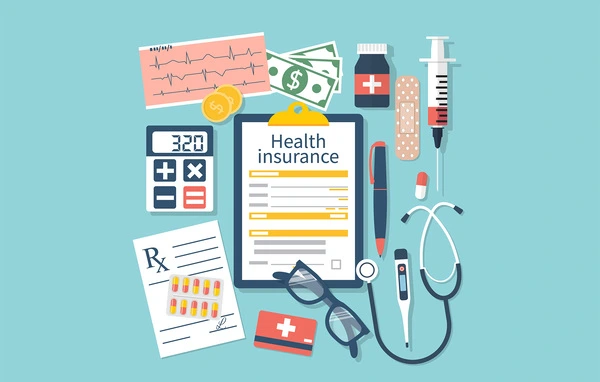
National Health Insurance premiums are calculated based on the insured person's income tax return from the previous year, household size, local tax rates in your city or ward, and other factors.
If you are a new resident or student with no income, you might be eligible for a reduction or exemption.
Many students with no income pay around 2,000 yen a month in their first year, though the exact amount depends on your city and personal situation.
When and how often do you need to pay

Insurance premiums are usually divided into monthly payments in Japan.
The city office sends payment slips with the amount and the due date of the insurance premiums.
What will happen if you fail to pay?
If you fail to pay by the deadline, you will receive a reminder notice letter urging you to pay by the specified date.
If you continue to be late, you will be reminded by phone or in writing to pay your premiums. In some cases, you may even be visited by the local city officer. Additionally, a late fee will be added.
Here is what typically happens if you fall behind, based on how long the arrears have gone on.
Under a year overdue. With no special circumstances, you will normally keep receiving a regular certificate of qualification confirmation, sometimes with a shorter validity period while the city follows up on the payment.
Over a year overdue. Instead of a regular certificate, you may receive a restricted version tied to a special medical expense benefit. This means you pay 100% of the medical expenses at the medical facility, then apply afterward to have the covered portion refunded. Any outstanding arrears are usually deducted from that refund first.
Over a year and six months overdue. Insurance benefits may be suspended in whole or in part, meaning you pay the full amount yourself with no path to reimbursement until the arrears are resolved.
If you continue not to pay, your assets will eventually be seized.
Additionally, if you are a foreign resident, there is one more thing worth knowing. Starting around June 2027, National Health Insurance payment records are expected to be checked as part of visa renewal and status change applications. This does not affect a currently valid visa, but arrears could become a problem the next time you apply to renew or change your status. Paying on time, or setting up a payment plan if you fall behind, is the safest way to protect a future application.
Furthermore, from the age of 40, you will also be required to pay nursing care insurance premiums. There will also be penalties depending on the period of non-payment.
If you are unable to pay your national health insurance premiums or nursing care insurance premiums for unavoidable reasons, you may be able to receive reductions or exemptions, so be sure to consult with your local government office as soon as possible.
How to pay National Health Insurance premiums
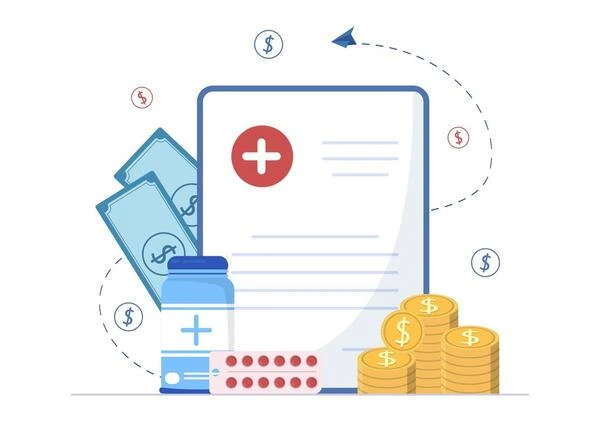
There are many ways to pay National Health Insurance premiums.
Bank transfer (automatic payment)
Payment slips
Cashless payments
Credit card
Pay-easy
Deduction from pension (special method)
Method |
Setup needed |
Receipt provided |
Works after due date |
Amount limit |
Bank transfer (automatic-pay) |
Apply once at city office |
Bank statement |
Yes, ongoing |
None |
Payment slip in person |
None |
Yes, immediately |
No |
None |
Convenience store |
None |
Yes, immediately |
No |
¥300,000 |
Cashless app |
Install payment app |
Sometimes, check your app |
No |
¥300,000 |
Credit card (Mobile Register) |
None |
No, keep confirmation screen |
No |
¥300,000 |
Pay-easy |
Bank account with Pay-easy access |
No, keep confirmation screen |
No |
Varies by bank |
Pension deduction |
Meets eligibility conditions |
N/A, automatic |
N/A |
N/A |
Bank transfer (automatic payment)
If you apply for a bank transfer payment method, the payment amount will be automatically withdrawn from your bank account.
You can apply at your local city office by submitting the bank transfer request form.
When applying, you will need to bring:
Bank book and cash card
Seal used for your bank account
Your My Number card or certificate of qualification confirmation, or a payment notice or payment slip if you don't have either yet
Depending on the city you live in, you may be able to apply on the website.
Read also: Top English-Friendly Japanese Banks for Foreigners
Payment slips
You can bring the payment slip to the bank, financial institutions, post office, local city office counter, and convenience stores to complete the payment.
Many people think that paying at the convenience store is the easiest way.
Cashless payments
Starting from February 20th, 2023, cashless payments using a smartphone application became possible.
You can pay on the spot by installing a payment app such as dPay, PayPay, or auPay on your smartphone.
Use the application to scan the barcode on the payment slip to complete the payment.
Credit card
Yes, you can pay your insurance premiums with a credit card.
Here is how it works.
Access the Mobile Register payment website on your smartphone
Use your camera to scan the QR code printed on the payment slip
Select payment by credit card
Enter your card details and confirm to complete the payment
There is no dedicated app to download and no account to set up in advance. Whether this works depends on your specific credit card, so check with your card issuer if you are not sure.
Note that the same total amount limit that applies to convenience stores also applies here. Payments over 300,000 yen per slip cannot be completed through Mobile Register.
Pay-easy for Kokumin Kenkou Hoken (internet banking or ATM)
If your payment slip has the Pay-easy mark printed on it, you can pay through internet banking, mobile banking, or an ATM instead of visiting anyone in person.
Check your payment slip for the Pay-easy mark and the three numbers printed on it, the collection institution number, the payment number, and the confirmation number
Log into your bank's internet banking site or mobile banking app, or use an ATM
Select the tax or Pay-easy payment option, the exact wording depends on your bank
Enter the three numbers from your payment slip
Confirm the amount and complete the payment
Note that Pay-easy does not provide a printed receipt the way paying in person does. Keep your payment slip and any confirmation screen or email as proof of payment if you need it later. Also, Pay-easy is not available on the same day your payment slip is first issued. If you need to pay urgently, use a convenience store or your city office counter instead.
Deduction from pension (special method)
Pension deduction applies only when several conditions are met.
The household head is enrolled in National Health Insurance
Every household member on the plan is between 65 and 74
The household head's pension pays out at least 180,000 yen a year
The combined national health insurance and nursing care premiums do not exceed half of each pension payment
If all of these apply, your insurance premiums are automatically deducted from the household head's pension instead of being billed separately. This stops the fiscal year the household head turns 75.
You may be able to change to direct debit by application, but you cannot change to payment by payment slip or cashless payment.
How to pay for health insurance at a convenience store
You can pay your national health insurance premiums at major convenience store chains, such as 7-Eleven, FamilyMart, and Lawson.
Simply take the payment slip with the convenience store barcode printed on it to the convenience store cash register and pay.
When you make a payment, a receipt will be issued along with the invoice, so be sure to receive and keep it.
If you prefer paying from your phone instead of visiting a store, some municipalities support barcode-based payment through apps such as PayPay.
Note: You cannot pay at a convenience store after the payment deadline has passed. Also, if the payment slip doesn't have the convenience store barcode or the total amount exceeds ¥300,000, then you cannot pay at the convenience store.
Step-by-Step: How to pay your NHI bill at a convenience store
Bring your National Health Insurance payment slip with a printed barcode.
Go to the cashier at the convenience store.
Hand over the payment slip and pay the amount shown.
Receive your receipt and keep it as proof of payment.
Important limitations
You must pay before the printed due date.
You cannot use a payment slip that does not have a convenience-store barcode.
Payments over ¥300,000 cannot be made at convenience stores.
This method applies to municipal National Health Insurance only (not employee health insurance/Shakai Hoken).
⚠️ Convenience store payment is available only for municipal National Health Insurance (NHI).
If you are enrolled in employee health insurance (Shakai Hoken), payment is handled through your employer and cannot be paid at convenience stores.
Payment when you temporarily leave Japan

If you temporarily leave Japan but maintain your residence status, you are generally still responsible for paying your National Health Insurance (NHI) premiums.
If you remain enrolled in National Health Insurance, you can continue paying from abroad by:
Asking a friend or family member in Japan to pay using your payment slips
Setting up an automatic bank transfer before departure
Contacting your city office to explore online or overseas payment options (not all municipalities offer this)
If you are leaving Japan permanently (such as ending your residence and visa), visit your city office before departure to submit a withdrawal notice and cancel your enrollment. This will stop further premium charges.
What to do if you lose your payment slips

If you lose your payment slip, contact or visit your city office, and they can reissue the slips for the unpaid months.
Remember to bring an identification document such as your residence card or NHI card along with your My Number card or certificate of qualification confirmation, if you have one.
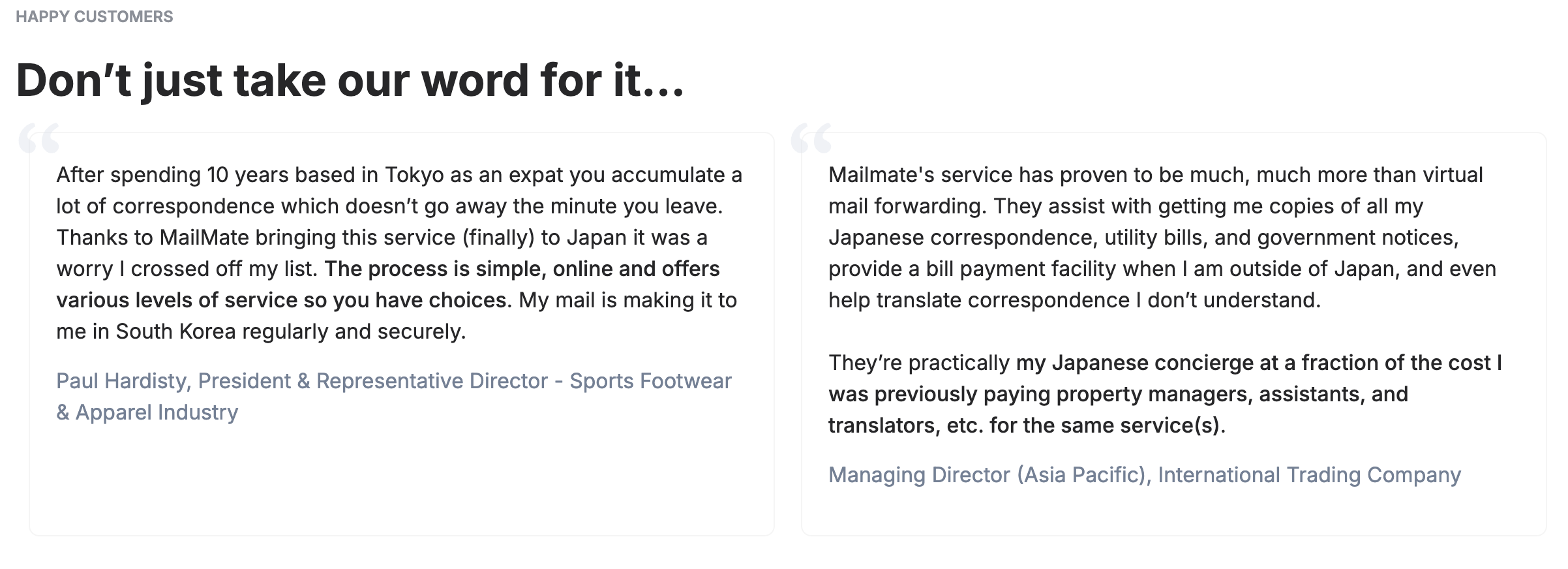
💡Tip for foreign residents: MailMate can help you with handling mail and bill payments
If you are overwhelmed with all the important mail in Japanese or bill payments, consider using MailMate!

MailMate receives, stores, and converts your mail to high-res PDFs
You can check your mail from anywhere in the world through the dashboard
You can easily share important mail with your team, lawyers, or accountants
MailMate will deal with non-English speaking organizations & pay bills on your behalf
An excellent security system to protect your mail
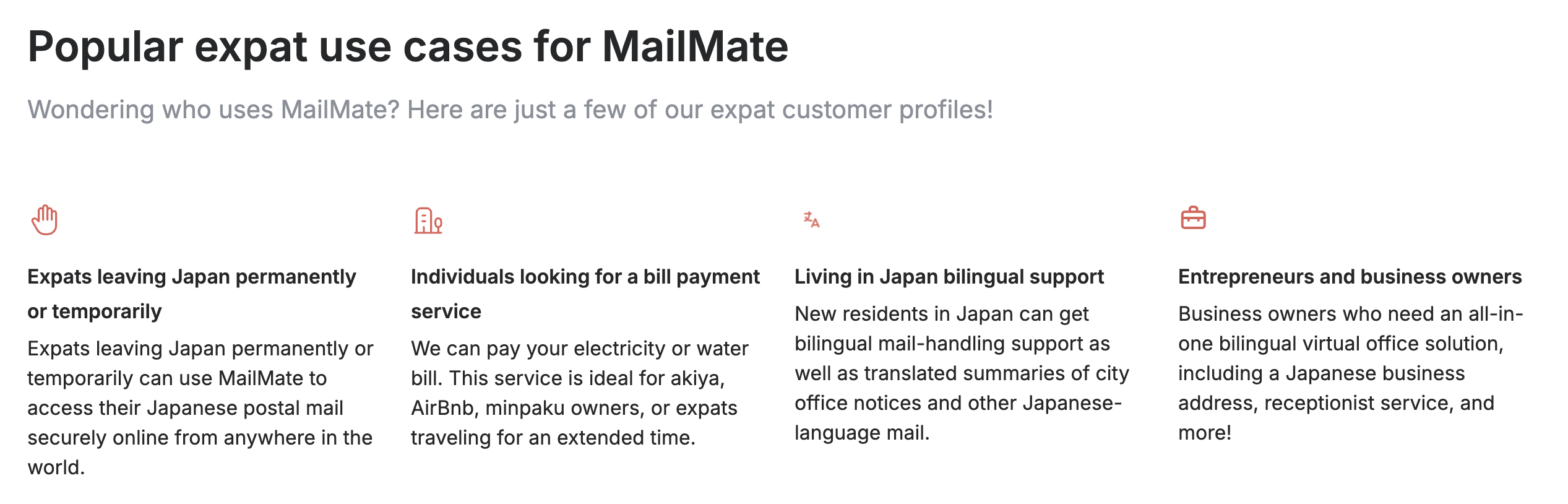
MailMate has been helping foreign residents in Japan and consistently receives excellent feedback!
FAQ (Frequently Asked Questions)

Here are some frequently asked questions about health insurance payment in Japan.
Q: How can I pay for Japanese national health insurance at a convenience store?
Simply take the payment slip to the convenience store cash register and pay in cash. You can pay your national health insurance premiums at convenience stores nationwide, even on holidays and at night. However, you cannot pay at a convenience store after the payment deadline. Also, if the payment slip doesn't have the convenience store barcode or the payment amount exceeds ¥300,000, then you cannot pay at the convenience store.
Q: How can I pay for Japanese national health insurance?
There are many ways to pay National Health Insurance premiums.
Bank transfer (automatic payment)
Payment slips
Cashless payments
Credit card
Pay-easy
Deduction from pension (special method)
Q: What will happen if I don't pay the Japanese national health insurance on time?
You will receive a reminder notice, and a late fee will be added to the amount owed. If you are behind for less than a year, you will typically keep a regular certificate of qualification confirmation. After more than a year, you may receive a restricted version that requires paying 100% of medical costs upfront, with reimbursement applied for afterward. After a year and six months, benefits may be suspended entirely.
Q: I lost my Japanese national health insurance payment slip. What should I do?
Contact or visit your city office. They can reissue payment slips for unpaid months. Bring identification such as your residence card, along with your My Number card or certificate of qualification confirmation if you have one, when making your request.
Q: Can I get a reduction or exemption if I'm having financial difficulties?
You may be able to qualify for reductions or exemptions due to job loss, business closure, illness, natural disasters, or other financial hardships. Apply at your local city office with documentation proving your circumstances.
Q: Do I need to pay for national health insurance if I temporarily leave Japan?
If you maintain your residence status, you're generally still responsible for paying premiums. You can have someone in Japan pay using your slips, set up automatic bank transfers, or contact your city office about online payment options.
Q: Can I pay my national health insurance with a credit card?
Yes. Use the Mobile Register payment website on your smartphone, scan the QR code on your payment slip, then select credit card as the payment method. This works for most major cards, though it depends on your specific card issuer. Payments over 300,000 yen per slip are not eligible for this method.
Q: Will unpaid national health insurance affect my visa?
Not today, but this is changing. Starting around June 2027, immigration authorities are expected to check National Health Insurance payment records during visa renewal and status change applications. A currently valid visa is not affected, but arrears could create a problem the next time you apply to renew or change your status. If you have fallen behind, inquiring at your city office and setting up a payment plan is the safest step to take before your next application.
In closing
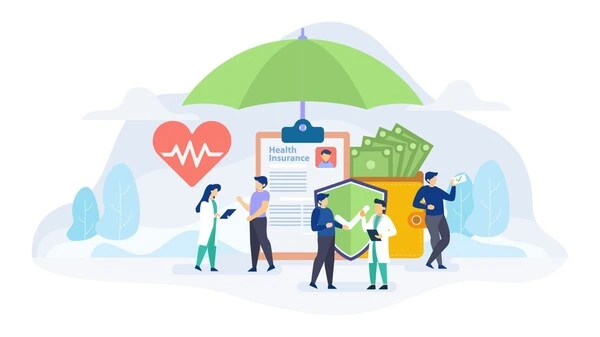
Paying your National Health Insurance premiums on time is not only a legal obligation but also essential for maintaining access to Japan’s healthcare system.
You can choose to pay through convenience stores, bank transfer, credit card, pay-easy, pension deduction, or a smartphone app.
If you're facing financial difficulties or leaving Japan, contact your local city office for guidance. They can help you explore exemptions, reductions, or proper withdrawal procedures.
Also, consider using MailMate for digital mail management and bill payments, so you never miss important notifications or deadlines.
Read also: English-Friendly Insurance for Emergencies in Japan
일본 우편물 처리에 너무 많은 시간을 소비하고 있나요?
가상 우편함 + 번역 서비스는 월 3800원부터 시작합니다. 30일 환불 보장.