


Japan Gift Tax: Rules, Rates, and Rules for Foreigners


Japan's gift tax (zoyozei, 贈与税) is paid by the person who receives a gift, not the giver. Each recipient can receive up to ¥1.1 million a year tax-free; above that, rates run from 10% to 55%. Returns are due between February 1 and March 15 of the following year. For foreign residents, your visa, years in Japan and where the money sits decide whether overseas gifts are taxed. The housing purchase exemption ends December 31, 2026.
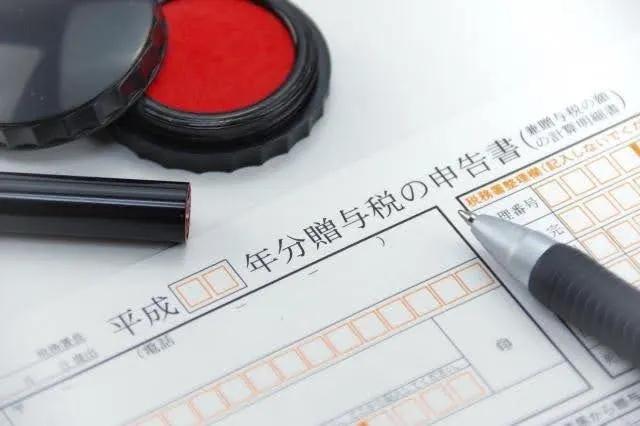
Japan Gift Tax Overview
Sharing wealth with loved ones whether helping a child buy their first home, sending birthday money across borders, or passing down family savings is a universal part of life. In Japan, lifetime generosity is governed by the national gift tax (zōyozei / 贈与税), which works hand-in-hand with Japanese inheritance tax (sōzokuzei / 相続税) to keep generational wealth transfers balanced and consistent.
Rather than viewing the two parts of the taxation system as separate hurdles, it helps to see them as complementary frameworks: gift tax handles transfers made during a person’s lifetime, while inheritance and gift tax rules ensure that assets passing to the next generation later on are taxed fairly. Because progressive tax rates under the Japan gift tax rate schedule scale quickly from 10% up to 55% for large single-year sums under the standard calendar-year system, effective gift tax planning around annual exemptions and special allowances lets families share support thoughtfully and without surprises.
When gift recipients receive cash, real property, securities, or even debt forgiveness from another individual, staying compliant simply comes down to three straightforward steps:
- Track the combined total of all gifts received between January 1 and December 31. Japan’s annual gift tax exemption applies per recipient, not per giver — meaning if you receive ¥600,000 from your mother and ¥700,000 from your father in the same calendar year, your combined total value is 1.3 million yen (putting you ¥200,000 over the tax-free limit). Jotting down transfer dates, amounts, and bank statements as you go makes year-end math effortless.
- File a gift tax return between February 1 and March 15 if your total exceeds the generous basic exemption (kiso kōjo / 基礎控除) of ¥1.1 million. Under the calendar-year taxation system, if your combined gifts stay at or below ¥1.1 million for the calendar year, you generally owe no gift tax and do not need to file a gift tax return. However, certain special tax arrangements, such as the inheritance-time settlement system, have separate filing requirements. If you go over — or if you are claiming special tax-free allowances like the housing fund or spousal home exemption — you can submit your return online via Japan’s e-Tax portal (using a My Number Card), by mail, or in person at your local tax office (zeimusho / 税務署). The process is similar to filing an income tax return in Japan, but it uses a separate gift tax form.
- Pay any resulting tax by March 15 of the following year. Under the calendar-year taxation system, the taxable amount is generally calculated by subtracting the ¥1.1 million basic deduction from the total value of gifts received during the calendar year. For example, receiving ¥1.5 million means ¥400,000 is subject to gift tax before applying the relevant tax rate and any other applicable adjustments, and can be paid conveniently via domestic bank transfer (furikomi), direct debit, credit card, or even at a local convenience store. While the responsibility rests with you as the recipient, Japanese law designates the giver solely as a backup guarantor, meaning they only step in if a tax bill goes unpaid.
Japan Gift Tax Rates (2026)
Japan uses two rate tables. The special rates apply when a parent or grandparent gives to a child or grandchild aged 18 or older on January 1 of the year of the gift. All other gifts use the general rates. Apply the rate to your taxable amount (total gifts minus ¥1.1 million), then subtract the deduction.
Special rates (from parents or grandparents to recipients 18 and over)
| Taxable amount | Rate | Deduction |
|---|---|---|
| Up to ¥2 million | 10% | ¥0 |
| Up to ¥4 million | 15% | ¥100,000 |
| Up to ¥6 million | 20% | ¥300,000 |
| Up to ¥10 million | 30% | ¥900,000 |
| Up to ¥15 million | 40% | ¥1,900,000 |
| Up to ¥30 million | 45% | ¥2,650,000 |
| Up to ¥45 million | 50% | ¥4,150,000 |
| Over ¥45 million | 55% | ¥6,400,000 |
General rates (all other gifts, including between spouses and friends)
| Taxable amount | Rate | Deduction |
|---|---|---|
| Up to ¥2 million | 10% | ¥0 |
| Up to ¥3 million | 15% | ¥100,000 |
| Up to ¥4 million | 20% | ¥250,000 |
| Up to ¥6 million | 30% | ¥650,000 |
| Up to ¥10 million | 40% | ¥1,250,000 |
| Up to ¥15 million | 45% | ¥1,750,000 |
| Up to ¥30 million | 50% | ¥2,500,000 |
| Over ¥30 million | 55% | ¥4,000,000 |
Japan Gift Tax Exemptions at a Glance
| Exemption | Tax-free amount | Who can use it |
|---|---|---|
| Annual basic exemption | ¥1.1 million a year | Every recipient |
| Living and education costs | Amount actually needed | Family members with a duty to support you, paid as needed |
| Housing acquisition funds | Up to ¥10 million (energy-efficient) or ¥5 million | Children and grandchildren 18+, gifts received by December 31, 2026 |
| Spousal home deduction | Up to ¥20 million, once | Couples married 20 years or more |
| Settlement-at-inheritance system | ¥25 million in total, plus ¥1.1 million a year | Children and grandchildren 18+ receiving from parents or grandparents 60+ |
How to Calculate Japan Gift Tax: Examples
Gift tax is calculated in three steps: add up everything you received from January 1 to December 31, subtract the ¥1.1 million basic exemption, then apply the rate table.
- ¥3 million from a friend (general rates): ¥3,000,000 minus ¥1,100,000 leaves ¥1,900,000. At 10%, the tax is ¥190,000.
- ¥5 million from your parent, and you're 18 or older (special rates): ¥5,000,000 minus ¥1,100,000 leaves ¥3,900,000. At 15% minus ¥100,000, the tax is ¥485,000.
- The same ¥5 million from a friend (general rates): ¥3,900,000 at 20% minus ¥250,000 is ¥530,000, or ¥45,000 more than a gift from a parent.
Gift Tax Laws and Who Pays
Under Japan’s Inheritance Tax Act (Sōzokuzei-hō / 相続税法), which governs both estate and gift taxation, the legal burden of gift tax falls on the person acquiring the wealth rather than the person giving it away. Because tax obligations are triggered by receipt — and can even apply to cross-border transfers from overseas relatives who have zero connection to Japan — understanding how liability and taxable transfers are defined is critical.
Recipient Liability vs. Donor Responsibilities
- The Recipient’s Legal Duty: As the primary taxpayer, the recipient is solely responsible for tracking all gifts received between January 1 and December 31, submitting a gift tax return between February 1 and March 15 of the following year if the total exceeds ¥1.1 million, and paying the tax due. Whether Japan taxes worldwide gifts or only Japanese-situs assets depends on factors including the donor's and recipient's residency status, nationality, immigration status, and residency history. The applicable rules should be checked for each cross-border gift.
- When the Donor Is on the Hook: Although the recipient is primarily responsible for filing and paying gift tax, Japanese law also imposes potential joint and several payment liability (rentai nōfu sekinin / 連帯納付責任) on the donor under Article 34(4) of the Inheritance Tax Act. If the recipient fails to pay the gift tax, the National Tax Agency may pursue the donor for the unpaid amount, subject to the statutory limit based on the value of the gifted property.
What Counts as a Taxable Transfer Between Individuals?
Gift tax applies primarily to transfers between individuals (gifts received from a corporation are generally subject to income tax instead). Beyond obvious transfers of cash, real estate, or stocks, the tax office aggressively enforces rules on deemed gifts (minashi zōyo / みなし贈与) transactions that confer an economic benefit without a formal gift contract:
| Deemed Gift Type | How It Happens | What Gets Taxed |
|---|---|---|
| Below-Market Sales | Buying real estate, shares, or other assets from a relative at a steep discount | The difference between the fair market value and the discounted price paid |
| Debt Forgiveness or Assumption | Having another individual pay off your loan or formally cancel a personal debt | The total amount of debt relieved or paid on your behalf |
| Misaligned Asset Registration | Purchasing property or funding an investment account solely in someone else’s name | The full value of the asset registered under the non-contributing person's name |
| Third-Party Insurance Payouts | Receiving life insurance proceeds where someone else (not the insured or beneficiary) paid the premiums | The payout amount proportional to the premiums paid by that third party |
Note: Funds provided between spouses, parents, children, siblings, and other qualifying dependents for reasonable living or educational expenses are generally exempt from gift tax, provided they are transferred as needed and actually used for those purposes rather than saved or invested. The exemption applies to expenses considered ordinarily necessary under the circumstances.
Foreign Nationals With Temporary Residence
For expats living in Japan on a short- or medium-term basis, Japan’s Inheritance Tax Act carves out a crucial protective status known as Temporary Foreigner (ichiji kyojū gaikokujin / 一時居住外国人).
To qualify, you must hold a Table 1 status of residence (Beppyō Dai-ichi / 別表第一) when you receive the gift and have had a Japanese domicile (jūsho / 住所) for a total of 10 years or less during the preceding 15 years. When these conditions are met, you may qualify as a limited taxpayer (seigen nōzei gimusha / 制限納税義務者), depending on the donor’s status. In that case, gifts of overseas assets, such as foreign bank deposits or overseas real estate, are generally outside the scope of Japanese gift tax.
However, qualifying for this exemption also depends heavily on who is giving the gift:
- Qualifying Donors: The exemption can apply when the donor is a foreign national living outside Japan who meets the statutory nonresident-donor conditions, or a foreign national living in Japan who holds a Table 1 status of residence.
- Non-Qualifying Donors: If you receive an overseas gift from a Japanese national who has had a domicile in Japan within the past 10 years, or from a donor who is neither a qualifying foreign donor nor a qualifying nonresident donor under Japan’s Gift Tax Act, the temporary foreigner exemption does not apply, and the overseas gift may be subject to Japanese gift tax.
Equally important, temporary residence status does not exempt domestic assets (kokunai zaisan / 国内財産). Gifts of assets located in Japan, including Japanese real estate, deposits held at a Japanese bank branch, and securities treated as located in Japan under the statutory rules remain subject to Japanese gift tax, regardless of how recently you arrived.
| Your situation | Who gives the gift | What Japan taxes |
|---|---|---|
| You live in Japan on a Table 1 visa, 10 years or less of the past 15 | A foreign national living abroad, or one living in Japan on a Table 1 visa | Japanese assets only |
| You live in Japan on a Table 1 visa, 10 years or less of the past 15 | A Japanese national, or anyone living in Japan on a Table 2 visa | Japanese and overseas assets |
| You live in Japan on a Table 2 visa, or have lived here more than 10 of the past 15 years | Anyone | Japanese and overseas assets |
| You live outside Japan and aren't a Japanese national | A foreign national living abroad, or one living in Japan on a Table 1 visa | Japanese assets only |
| You live outside Japan and aren't a Japanese national | A Japanese national, or anyone living in Japan on a Table 2 visa | Japanese and overseas assets |
Japanese nationals and recent long-term residents who have left Japan follow different rules. Check your situation with a licensed tax accountant (zeirishi, 税理士).
Common Real-World Gift Tax Scenarios for Foreign Residents
Understanding Japan’s gift tax rules in theory is one thing; applying them to cross-border family finances is another. Because Japan taxes the recipient rather than the giver, and determines asset location based on technical legal rules rather than simple intent, everyday family generosity can trigger unexpected tax filings. Below is a detailed look at how Japanese tax law treats six of the most common wealth-transfer scenarios foreign residents encounter while living in or departing from Japan.
| Scenario | Core Tax Rule | Key Trap to Watch |
|---|---|---|
| Parents Abroad Sending Cash | Exempt if on a Table 1 visa (≤10 yrs) and received abroad | Wiring straight into a Japanese bank account |
| Sending Money Overseas | Exempt if on a Table 1 visa sending from a foreign bank | Holding a Table 2 visa, or gifting money held in Japan. |
| Free House or Akiya | Taxable if the giver is an individual; valued at official land and building values | Assuming a ¥0 sale price means ¥0 gift tax |
| Gifts Between Spouses | Taxable >¥1.1M unless for immediate living expenses | Triggering gift tax via joint accounts or home titles |
| Parental Home-Buying Help | Up to ¥5M–¥10M tax-free under housing gift relief | Switching to Permanent Residency before receiving funds |
| Leaving Japan | Overseas gifts generally fall outside Japanese tax once you leave, but long-term residents have a 2-year window | Gifting overseas assets within 2 years of leaving after more than 10 years in Japan |
Parents Abroad Sending Money to You in Japan
When parents living outside Japan send financial gifts to you, tax liability hinges on three cumulative variables: your visa classification, your total years of residence in Japan, and where the bank account receiving the funds is physically located.
- The Table 1 Visa Exemption (10 Years or Less): If you hold a Table 1 visa (such as an Engineer/Specialist in Humanities/International Services, Business Manager, Intra-Company Transferee, or Student visa) and have maintained a domicile in Japan for 10 years or less within the past 15 years, you are classified as a limited taxpayer. Under this status, gifts of overseas assets (kokugai zaisan) received from non-resident foreign parents are completely exempt from Japanese gift tax.
- The Direct-Wire Routing Trap: Under Japan's Inheritance Tax Act, a bank deposit's location is generally determined by the location of the bank branch holding the account, not where the money originates. If your parents wire $50,000 directly into your Japanese bank account, it may be treated as a Japanese-situs asset (kokunai zaisan) and become taxable, even if you qualify as a temporary resident. To potentially preserve the exemption, receive the gift into your own overseas bank account first. However, eligibility depends on the donor's and recipient's circumstances and the asset's location when the gift is made. An overseas account does not automatically guarantee exemption.
- Banks report large transfers: Japanese banks report international transfers of more than ¥1 million to the tax office, so a large gift from abroad is visible to the National Tax Agency even if you don't file. See our guide to bank transfers in Japan.
- Table 2 Visas & Long-Term Residents (Over 10 Years): If you have held a domicile in Japan for more than 10 years within the preceding 15 years, you generally no longer qualify as a temporary resident. Similarly, individuals holding Table 2 visas, such as Permanent Resident or Spouse of a Japanese National, generally do not qualify for temporary-resident treatment. If you are domiciled in Japan and do not qualify as a temporary resident, gifts of both Japanese and overseas assets are generally subject to Japanese gift tax, regardless of where the funds are held. Under calendar-year taxation, the ¥1.1 million basic deduction applies to the recipient's combined gifts for the year.
- The Living & Education Support Exception: One important exemption applies regardless of visa category: funds provided by individuals with a legal obligation to support the recipient, such as spouses, parents, children, and siblings, for reasonable living or educational expenses (seikatsuhi / kyōikuhi / 生活費・教育費) are generally exempt from gift tax. However, the funds must be provided as needed and actually used for those purposes. Money transferred in advance for several years of expenses that is instead saved, invested, or used to purchase assets may be subject to gift tax on the portion not used for qualifying expenses.
Sending Money to Family Overseas
Because Japan places the legal tax obligation on the recipient rather than the donor, supporting relatives abroad creates a counterintuitive tax risk: your status in Japan and the recipient's nationality and residency history can bring overseas gifts within the scope of Japanese gift tax, even if your relatives have never set foot in the country.
- When Overseas Transfers Are Exempt: If you are a foreign national holding a Table 1 visa, you may qualify as a foreign donor under Japan's gift tax rules, regardless of how long you have lived in Japan. Transfers of overseas assets to non-resident foreign relatives are generally outside Japan's gift tax scope, provided the recipients do not fall into a category subject to worldwide taxation. Under the 2021 tax reforms, qualifying foreign donors holding Table 1 visas are generally subject to the same favorable treatment regardless of their length of residence in Japan. However, the recipient's nationality and residency history must also be considered.
- Two Ways to Pull Overseas Relatives into Japan’s Tax Net:
1. Sending directly from a Japanese bank account: Funds held in a Japanese bank account are generally Japanese-situs assets. However, sending more than ¥1.1 million from a Japanese account does not automatically make the overseas recipient liable for Japanese gift tax. Taxability depends on the recipient's nationality, residency history, the donor's status, and the location of the gifted asset. If the recipient has a Japanese gift tax filing obligation, they may need to appoint a tax representative (nōzei kanrinin / 納税管理人) in Japan and file a return.
2. Holding a Table 2 visa: If you hold a Table 2 visa, such as Permanent Residency or Spouse of a Japanese National, and are domiciled in Japan, you generally do not qualify as a foreign donor under the special Table 1 rules. Consequently, gifts of overseas assets to non-resident relatives may be subject to Japanese gift tax, depending on the recipient's nationality and residency history. Qualifying living and educational expense payments may be exempt.
Receiving a Free House or Akiya (Vacant Home)
Japan’s growing inventory of vacant homes (akiya / 空き家) — often advertised for ¥0 or sold for nominal sums in rural municipalities — has drawn widespread interest from foreign residents. However, acquiring a property for free does not mean acquiring it tax-free.
- No Visa Exemptions for Japanese Real Estate: Because land and buildings located in Japan are classified as Japanese-situs property, gratuitous transfers of Japanese real estate are generally within the scope of Japanese gift tax, regardless of the recipient's visa type or residency history, subject to applicable deductions and exemptions.
- How Tax Authorities Value a "Free" Home: The National Tax Agency does not rely on the ¥0 figure written in a transfer agreement. Instead, it calculates the taxable gift value using official government valuation benchmarks:
- Land: Assessed using the Roadside Land Value (rosenka / 路線価) published annually by the tax agency (typically set around 80% of market value), or a multiplier formula in rural areas without assigned roadside values.
- Buildings: Assessed using the municipal Fixed Asset Tax Valuation (kotei shisanzei hyōkagaku / 固定資産税評価額).
- Deemed Gifts on Discounted Purchases: If the taxable value of the property, combined with your other taxable gifts during the calendar year, exceeds ¥1.1 million, gift tax may be payable under the calendar-year taxation system. Additionally, if you buy an akiya from a private individual at a significantly below-market price (for example, paying ¥500,000 for a property worth ¥5 million), the difference may be treated as a deemed gift (minashi zōyo / みなし贈与). The determination depends on the circumstances and the property's market value, not simply its official tax assessment. (Note: Receiving real estate, whether as a gift or through a discounted purchase, also triggers real estate acquisition tax and a registration license tax based on its assessed value. If you do not yet have a registered address in Japan, you will need to disclose a domestic contact person and tax representative during property registration.)
If the giver is a company rather than an individual, the house is taxed as income instead of as a gift.
Gifts Between Spouses
Many Western jurisdictions treat marital assets as jointly owned or allow unlimited tax-free transfers between spouses. Japan takes the opposite approach: spouses are taxed as completely separate individuals, making inter-spousal money movement one of the most common sources of accidental gift tax liability for international couples.
- Everyday Traps for Couples: Moving ¥3 million from one spouse’s personal savings account into the other’s account to invest, paying off a spouse’s pre-existing personal debt, or purchasing a condominium titled solely in one spouse's name using funds earned by the other are all treated as taxable gifts above the ¥1.1 million annual exemption. Only money transferred to cover shared, immediate household living expenses (such as groceries, utilities, rent, and childcare) is exempt.
- Visa Asymmetry Between Partners: If a foreign spouse holds a Table 2 visa (a spouse visa as the Spouse of Japanese National or Permanent Resident), they face unlimited worldwide gift tax liability from day one. Consequently, if their partner gifts them overseas real estate or transfers money between foreign bank accounts abroad, Japan still taxes the transfer above ¥1.1 million.
- The 20-Year Marriage Relief (Oshidori Zōyo): For long-term couples, Japan offers a major exception known as the Spousal Gift Tax Deduction (Oshidori Zōyo / おしどり贈与). If you have been legally married for 20 years or more, one spouse can gift the other a residential property in Japan — or money specifically used to purchase one — and claim a special deduction of up to ¥20 million from the taxable gift value. Combined with the standard ¥1.1 million annual exemption, up to ¥21.1 million can be transferred in a single year, provided the recipient lives in the home by March 15 of the following year and files a gift tax return claiming the deduction.
Help from Parents to Buy a Home
Receiving down-payment assistance from parents or grandparents is standard practice in many cultures, yet foreign residents buying property in Japan frequently run into a costly timing conflict.
- The Mortgage vs. Tax Dilemma: Many Japanese lenders require or strongly prefer foreign applicants to hold Permanent Residency (eijūken / 永住権), although some offer mortgages to applicants without it. However, when you become a Japanese tax resident holding Permanent Residency, you generally no longer qualify as a temporary resident for gift-tax purposes. As a result, gifts from overseas may become subject to Japanese gift tax, depending on the donor’s and recipient’s circumstances. If your parents wire down-payment funds from abroad after your Permanent Residency is approved, the entire gift above ¥1.1 million becomes taxable.
- Using Japan’s Housing Acquisition Fund Exemption: When parental home-buying assistance is subject to Japanese gift tax, families can mitigate the bill using the Housing Acquisition Fund Exemption (Jūtaku Shutoku-tō Shikin no Zōyo / 住宅取得等資金の贈与). Under rules running through December 31, 2026, parents or grandparents can gift money toward building or acquiring a home, or carrying out qualifying extensions or renovations, for the recipient’s own residence in Japan completely tax-free up to:
- ¥10 million for certified energy-efficient, seismic-resistant, or barrier-free housing (up to ¥11.1 million when combined with the ¥1.1 million annual basic exemption).
- ¥5 million for standard qualifying homes (up to ¥6.1 million combined with the annual basic exemption).
Strict Conditions That Can Void the Housing Exemption:
- Cash only, for qualifying housing costs: The gift must be money used toward the qualifying acquisition, construction, or improvement of the home. A gift used to repay an existing mortgage does not qualify, and a direct gift of land or a building is not covered.
- Lineal descendants only: Gifts must come from your own parents or grandparents; gifts from your spouse's parents do not qualify unless your spouse receives them directly and co-registers the property.
- Income, floor area & occupancy deadlines: The recipient must be at least 18 on January 1 of the year of the gift and have total income of ¥20 million or less (reduced to ¥10 million or less for homes with a floor area of at least 40㎡ but under 50㎡). The home must have a floor area of 40㎡ to 240㎡, with at least half used as the recipient’s residence. The recipient must move in by March 15 of the following year, or be reasonably expected to do so promptly thereafter, and file a gift tax return by March 15 even when no tax is due.
⏰ Deadline: December 31, 2026. The housing acquisition fund exemption covers gifts received by December 31, 2026, and the 2026 tax reform did not extend it. If your parents plan to help with a home purchase, the money needs to arrive this year to qualify. For newly built homes, the ¥10 million limit requires insulation grade 5 or higher and primary energy grade 6 or higher.
What Happens When You Leave Japan
Leaving Japan changes which gifts Japan can tax, but not always straight away. What matters is whether you’re giving or receiving, and how long you lived here.
- If you're the giver: for 2 years after you leave, if you lived in Japan for more than 10 of the 15 years before leaving, gifts you make can still be subject to Japanese gift tax, including gifts of overseas assets. After those 2 years, or if you lived in Japan for 10 years or less, gifts of overseas assets to relatives who don't live in Japan and aren't Japanese nationals generally fall outside Japanese gift tax.
- If you're the recipient: once you no longer live in Japan, you're generally taxed only on Japanese assets, unless the giver lives in Japan as a Japanese national or on a Table 2 visa, or is a former long-term resident still within the 2-year window.
- Japanese assets stay taxable: gifts of Japanese real estate or money in a Japanese bank can be taxed however long you've been gone.
- The Separate ¥100 Million Exit Tax: Leaving Japan also requires checking your investment portfolio, regardless of whether you hold a Table 2 visa. If you have lived in Japan for more than five of the past 10 years (excluding periods spent in Japan under a Table 1 status) and depart Japan owning ¥100 million or more in eligible financial assets (including stocks, mutual funds, bonds, and unsettled derivatives, though excluding real estate and cash), you trigger Japan’s Exit Tax (kokugai tenshutsuji kazei / 国外転出時課税). This levies a 15.315% national income tax on unrealized capital gains as if you had sold your portfolio on the day of departure, although payment may be deferred if you complete the required procedures, including appointing a tax representative, filing the necessary notifications, and providing required collateral.
💡Tip: As you finalize your move out of Japan, keep in mind that "departure taxes" come in very different forms—from the ¥100 million asset Exit Tax and five-year gift tax tail above, down to the ¥3,000 Japan departure tax automatically built into your outbound airline or ferry ticket Since July 1, 2026.
Cross-Border Compliance and Professional Guidance
Managing gift taxation across international borders involves more than calculating Japanese tax brackets; it requires coordinating rules between two jurisdictions that may treat the same transfer differently.
| Compliance Area | Key Threshold / Rule | Action Required |
|---|---|---|
| Double Taxation | Japan generally taxes the recipient; countries such as the US may tax the donor | Check treaty coverage (Japan has an estate and gift tax treaty with the US) and eligibility for foreign gift tax credits |
| Overseas Asset Reporting | Overseas assets exceeding ¥50 million as of December 31 (excluding non-permanent residents) | File an annual Report of Foreign Assets by June 30 of the following year |
| Annual Law Updates | Annual tax reforms may revise exemptions, lookback periods, and special relief measures | Verify applicable rules and expiration deadlines before initiating large transfers |
Three Pillars of Cross-Border Compliance
- Navigating Double-Taxation Risks: Because Japan generally levies gift tax on the recipient while countries such as the United States impose gift tax on the donor, an international transfer can potentially face taxation in both countries. While Japan maintains income tax treaties with numerous jurisdictions, it has a dedicated estate and gift tax treaty only with the United States (see our US-Japan tax treaty guide.) Japan also provides a foreign gift tax credit when qualifying foreign gift taxes are imposed on assets located outside Japan. However, eligibility and credit limits depend on the circumstances of the transfer.
- Meeting Foreign Asset Disclosure Rules: A large overseas gift can increase your global holdings beyond Japan's disclosure threshold. If you are a Japanese tax resident (excluding non-permanent residents) and hold foreign assets exceeding ¥50 million in total on December 31, you must file an annual Report of Foreign Assets (kokugai zaisan chōsho / 国外財産調書) by June 30 of the following year. A non-permanent resident generally means a foreign national who has spent no more than five years in Japan during the preceding 10 years. With financial institutions exchanging account information under the Common Reporting Standard (CRS) and the US Foreign Account Tax Compliance Act (FATCA), accurate disclosure is essential.
- Reviewing Tax Laws Annually: Japan updates its tax code through an annual tax reform process (zeisei kaisei / 税制改正), which may revise inheritance-related lookback periods, special housing and education exemptions, and other tax relief measures. Checking current rules before transferring funds ensures your family relies on applicable legislation rather than outdated assumptions.
👨💼 When to Seek Professional Advice: Cross-border gifts involving overseas real estate, multi-currency wire routing, treaty credits, or visa transitions carry high compliance stakes. Before executing significant transfers, consult a licensed Japanese certified public tax accountant (zeirishi / 税理士) alongside a tax advisor in your home country to structure the transfer cleanly.
Disclaimer: This article is provided for general informational purposes only and does not constitute formal legal, financial, or tax advice. Tax obligations vary based on individual residency histories, visa classifications, and treaty rules; always consult a qualified tax professional regarding your specific situation.
Gift Tax and Inheritance Tax: The 2024 Changes
Two changes that took effect in 2024 affect gifts within families.
- Longer add-back period: gifts made within a set period before the giver's death are added back into the estate for inheritance tax. For gifts made from January 1, 2024, the period is extending gradually from 3 to 7 years. It is still 3 years for deaths in 2026 and reaches 7 years for deaths from January 1, 2031. Gifts in the extra 4 years get a combined ¥1 million deduction.
- New deduction under the settlement system: under the settlement-at-inheritance system (souzokuji seisan kazei, 相続時精算課税), up to ¥25 million in total can be gifted tax-free now and settled later through inheritance tax. Since 2024, a separate ¥1.1 million annual deduction also applies, and gifts within it don't need a return or get added back.
Frequently Asked Questions
Is there a gift tax in Japan?
Yes. Japan taxes gifts of money and property between individuals, and the person who receives the gift pays. Each recipient can receive up to ¥1.1 million a year tax-free, and amounts above that are taxed at 10% to 55%. Gifts from a company are taxed as income instead.
How much money can I receive as a gift in Japan tax-free?
You can receive up to ¥1.1 million a year in total, from all givers combined, without paying gift tax or filing a return. Money a family member gives you for everyday living or education costs, used as needed, doesn't count toward this. Larger tax-free amounts apply to home purchases funded by parents or grandparents (up to ¥10 million for gifts received by December 31, 2026) and to a home given between spouses married 20 years or more (up to ¥20 million).
Who is responsible for paying and filing gift tax in Japan?
Unlike in the U.S. or many Western countries where the giver may pay transfer taxes, Japan generally places the legal responsibility on the recipient. If the combined value of gifts you receive between January 1 and December 31 exceeds the ¥1.1 million annual basic exemption under the calendar-year taxation system, you generally must file a gift tax return and pay any tax owed between February 1 and March 15 of the following year.
Is the ¥1.1 million tax-free exemption applied per giver or per recipient?
The ¥1.1 million basic exemption applies per recipient, per calendar year, regardless of how many people make gifts. For example, if you receive ¥600,000 from one parent and ¥700,000 from another parent in the same year, your combined total is ¥1.3 million, meaning ¥200,000 exceeds the basic exemption and is generally subject to gift tax.
Are overseas gifts from parents abroad taxable for foreign residents in Japan?
It depends on your visa category, residence history, your parents' nationality and residence history, and where the gifted assets are located. If you hold a Table 1 visa (such as a work or student visa), have lived in Japan for 10 years or less during the past 15 years, and receive overseas assets from qualifying foreign parents living abroad, those assets may be exempt from Japanese gift tax. However, if you hold a Table 2 visa (such as Permanent Resident or Spouse of a Japanese National), exceed the 10-year residence threshold, or receive Japan-situs assets, the gift may be taxable in Japan. The ¥1.1 million annual basic exemption may apply under the calendar-year taxation system.
Are there special exemptions for buying a home or sharing assets with a spouse?
Yes. Funds transferred between spouses or lineal relatives specifically for necessary, immediate living or educational expenses are generally exempt, provided they are used for those purposes rather than saved or invested. Couples married for 20 years or more can also claim a once-in-a-lifetime ¥20 million spousal deduction (plus the ¥1.1 million annual basic exemption) when gifting a residential property in Japan or money to acquire one. Additionally, parents and grandparents can gift up to ¥10 million for qualifying energy-efficient homes or ¥5 million for other qualifying homes, tax-free toward purchasing a primary residence in Japan under the Housing Acquisition Funds Exemption (available through December 31, 2026).
What happens to my gift tax liability when I permanently leave Japan?
It depends on how long you lived in Japan and who the other person is. If you lived in Japan for more than 10 of the 15 years before leaving, gifts you make within 2 years of leaving can still be taxed in Japan, including overseas assets. After that, gifts of overseas assets between foreign nationals living outside Japan generally fall outside Japanese gift tax, while Japanese assets stay taxable. Separately, Japan's exit tax may apply if you leave with ¥100 million or more in financial assets after living in Japan for more than 5 of the past 10 years.
In closing
Navigating Japan’s gift tax rules for cross-border transfers can be straightforward with the right preparation. Once you understand three basic rules, Japan's gift tax system becomes much easier to navigate: you, as the recipient, are responsible for filing and paying gift tax; everyone can receive ¥1.1 million a year tax-free; and any gift tax return is due by March 15 of the following year.
Because your visa status, length of residence in Japan, and the location of the gifted assets all affect your tax obligations, a little upfront planning goes a long way. Keep clear records, explore available family-related exemptions for home purchases and long-term marriage milestones, and consult a trusted tax professional before making substantial transfers so you can give and receive with greater peace of mind.
Spending too long figuring out your Japanese mail?
Virtual mail + translation services start at 3800 per month. 30-day money-back guarantee.